Engineering alloy steels
Bars and forgings for shafts, gears and other mechanical components. Strength, toughness, hardenability, section size and subsequent processing shape the selection. Include the finished-component requirement when enquiring about machining stock.
Cold-work tool steels
Materials for cutting, blanking, shearing and forming tools. Wear resistance must be considered alongside toughness and the risk of chipping. D2-type enquiries are welcome, with the governing standard and required condition stated explicitly.
Hot-work tool steels
H11- and H13-type enquiries for tooling exposed to repeated heating and cooling, including die-casting and forging applications. Thermal fatigue, cleanliness and heat-treatment requirements deserve attention beyond a nominal grade name.
Plastic mould steels
Prehardened and heat-treatable mould steels for cores, cavities and holders. Machinability, section hardness, polishability and texturing requirements should be specified; corrosive plastics or environments may require a different grade family.
High-speed and specialist steels
High-speed tool-steel enquiries, including M2- and M42-type designations, are reviewed against the application, form and required metallurgy. Grade references are starting points for technical review, not automatic equivalents.
Bars, plates and forgings
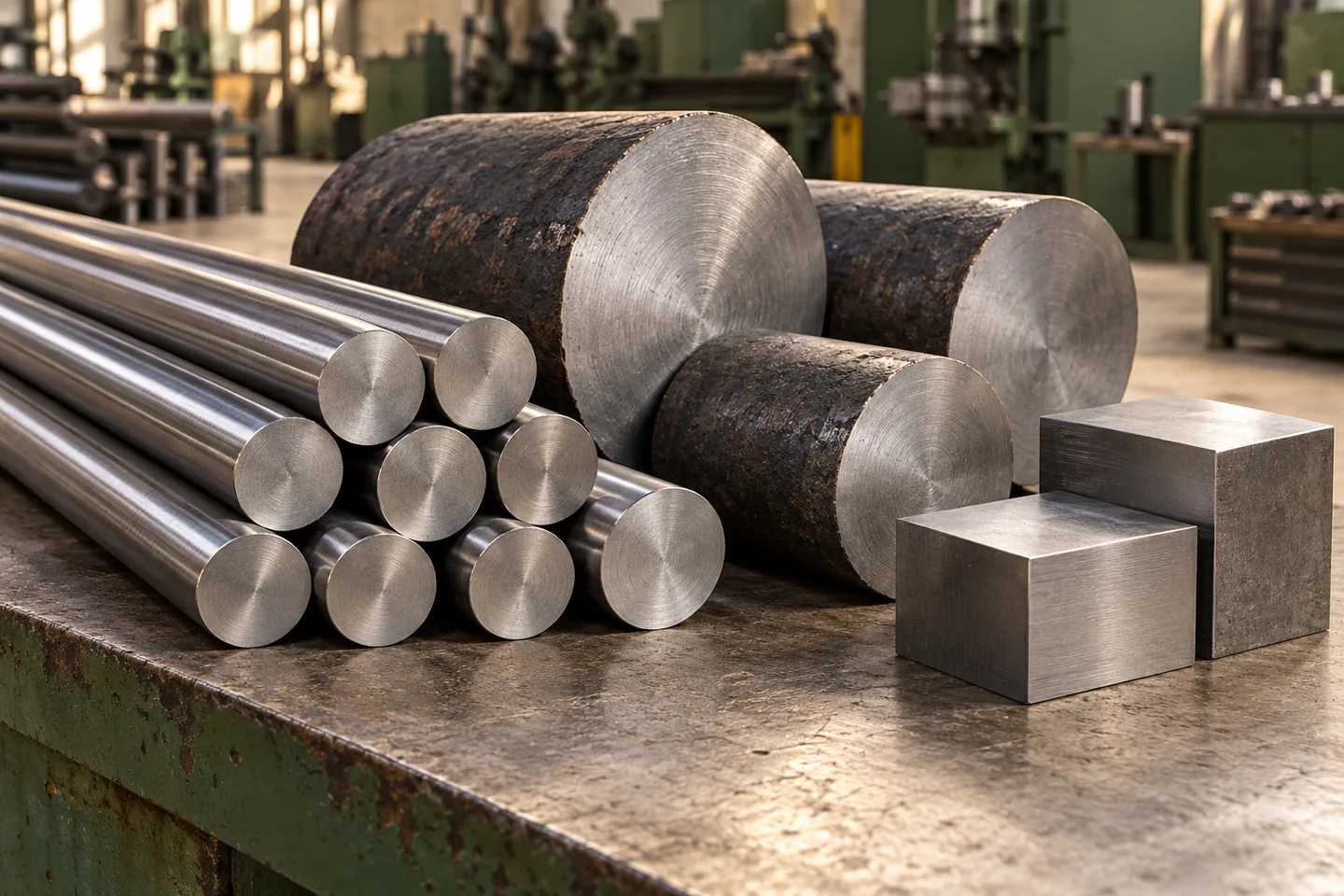
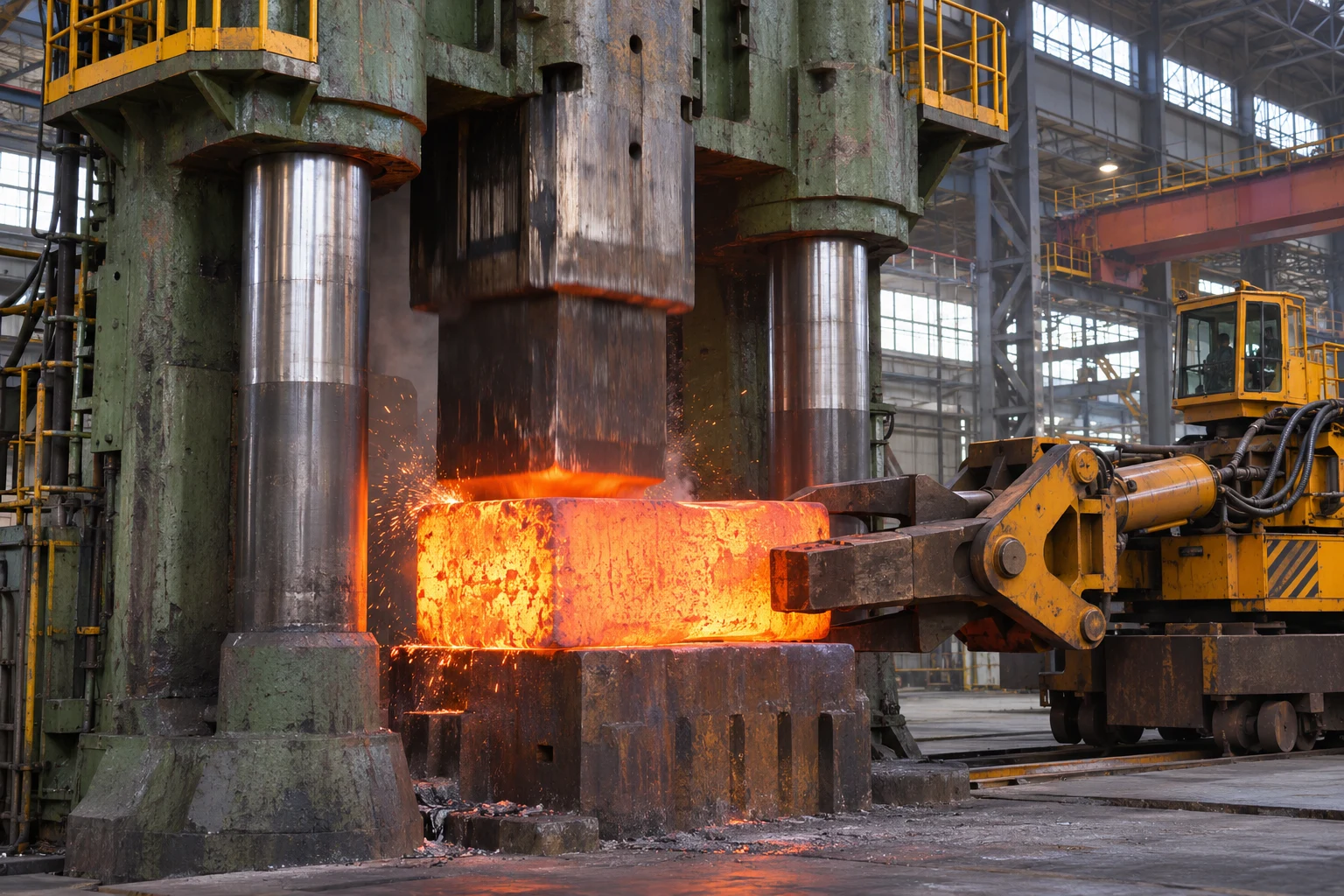
Round, square and flat forms, rolled or forged, with the requested machining allowance. Provide a drawing for shaped forgings and identify critical dimensions, surface condition and inspection zones.